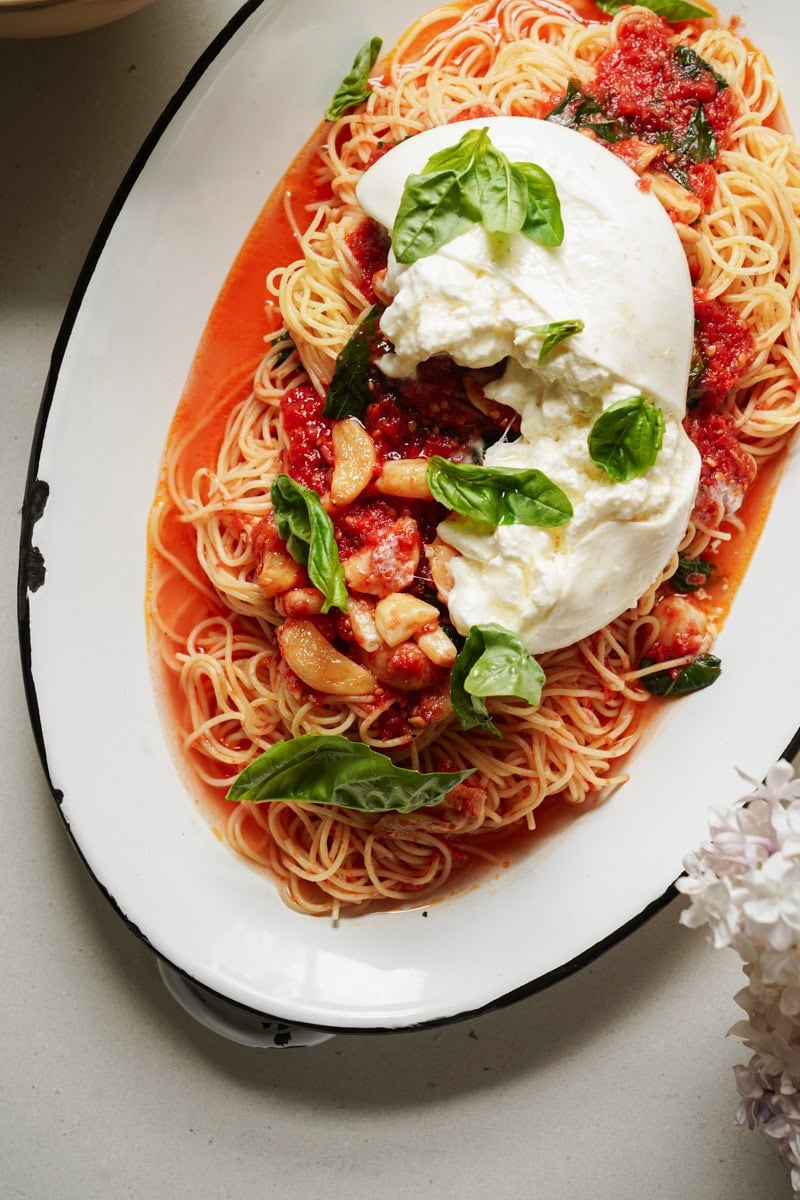
Embracing Tomato Season 101: Your Guide to Peak Flavor
There are few culinary delights as universally cherished as a perfectly ripe, sun-kissed tomato. For many, its arrival heralds the true start of summer, a burst of garden-fresh flavor that can elevate the simplest meal into an extraordinary experience. More than just a fruit (or a vegetable, depending on who you ask!), the tomato is the heart of countless global cuisines, offering a spectrum of tastes, textures, and aromas. To truly appreciate this versatile gem, understanding the nuances of tomato season 101 – from picking the perfect specimen to choosing the ideal variety for your dish – is absolutely essential.
From the Mediterranean shores where tomatoes are a staple of daily life, to bustling American kitchens, the joy of a fresh tomato is undeniable. This guide will help you navigate the world of tomatoes, ensuring you make the most of their seasonal bounty, whether you're slicing them for a sandwich, simmering them into a rich sauce, or popping them straight from the vine for a snack.
The Golden Window: When to Enjoy Peak Tomatoes
Timing is everything when it comes to tomatoes. While they're available year-round in supermarkets, the flavor and texture of an in-season tomato are simply unparalleled. In most of the United States, the peak season for fresh, flavorful tomatoes typically runs from late June through September. This generous window guarantees the best taste, texture, and availability across a wide range of types, bringing summer sunshine straight to your plate.
However, the exact timing can vary regionally due to climate and growing conditions. Warmer Southern states like Florida, California, and Texas often enjoy an earlier start, with their tomato season kicking off as early as May and extending into October. Meanwhile, Mid-Atlantic states such as New York, Pennsylvania, and New Jersey generally see their prime tomato harvests align more closely with the July-September timeframe. For a deeper dive into regional specifics and to optimize your tomato enjoyment, explore our comprehensive guide on When to Find Peak Season Tomatoes: Your Regional Guide.
Beyond the Calendar: The Art of Picking a Ripe Tomato
Even during peak season, knowing how to spot a truly ripe tomato is a skill. Forget pale, mealy imposters – you want a tomato that promises an explosion of flavor. The secret lies in a multi-sensory approach, engaging your sight, touch, and smell:
- Color Matters: While the shade of red can vary by variety, generally look for a deep, uniform color. Avoid tomatoes with green shoulders (unless you're intentionally selecting a green variety) or pale, blotchy spots, which signal uneven ripening. Heirloom and specialty tomatoes can boast streaks of orange, yellow, or even purple, but even with these, ensure the colors are vibrant and never dull or faded.
- The Gentle Squeeze: Give the tomato a gentle squeeze. It should yield slightly, feeling soft but firm. Steer clear of any hard, unyielding tomatoes (they're underripe) or those with mushy spots or bruises (they're past their prime or damaged).
- Aromatherapy for the Senses: The aroma is arguably the most telling sign of ripeness. A truly ripe tomato should have a distinct, sweet, and earthy fragrance. This rich perfume is most concentrated near the stem end, where it should smell reminiscent of a warm garden after a refreshing rain. If there's no scent, or if it smells sour or metallic, the tomato is likely underripe or has lost its peak flavor.
Mastering these techniques will transform your tomato-picking game. For more expert tips and detailed insights, check out Mastering Tomato Picking: Color, Touch, and Aroma Secrets.
Decoding Tomato Varieties: Your Culinary Compass
With dozens of tomato varieties available, each boasts unique characteristics that make it ideal for specific culinary applications. Choosing the right tomato for the job ensures your dishes shine.
Beefsteak Tomatoes: The Slicing Superstar
When you picture a classic sandwich or burger adorned with a juicy, thick tomato slice, you're likely imagining a beefsteak. These iconic tomatoes are large, often irregularly shaped, and incredibly meaty. They strike a perfect balance of sweetness and acidity, coupled with a wonderfully juicy texture that isn't overly watery. Their impressive size and ability to hold their shape make them the undisputed champions for:
- Slicing: Perfect for sandwiches, burgers, or caprese salads where sturdy, flavorful slices are key.
- Salads: Their robust flavor and texture stand up well in substantial salads.
- Simple Pleasures: Enjoyed on their own with just a drizzle of extra virgin olive oil, a sprinkle of sea salt, and fresh basil – a true taste of summer.
Roma (Plum) Tomatoes: The Sauce & Paste Powerhouse
If your culinary ambitions lean towards rich, flavorful sauces, vibrant purees, or homemade ketchup, then Roma tomatoes (also known as plum tomatoes) are your non-negotiable choice. These oblong, "plum" shaped tomatoes are distinguished by their thick walls, remarkably few seeds, and significantly lower water content compared to their slicing counterparts. This unique composition makes them ideal for cooked applications:
- Sauces and Pastes: Their low water content means less simmering time to achieve a concentrated, intensely flavorful sauce. They provide a rich body and deep tomato flavor perfect for pasta sauces, marinara, and tomato paste.
- Roasting: Roasting Romas enhances their sweetness and caramelizes their natural sugars, making them perfect for side dishes or blending into roasted tomato soup.
- Sun-Drying: Their firm flesh and low moisture content make them excellent candidates for sun-drying, concentrating their flavor even further.
Look for famous varieties like San Marzano, a type of Roma tomato revered for its sweet flavor and balanced acidity, especially in authentic Italian cooking.
Cherry & Grape Tomatoes: Snacking Gems & Salad Sparklers
Small, round, and bursting with sweet, juicy flavor, cherry tomatoes are the epitome of an irresistible snack. Their smaller, slightly firmer cousins, grape tomatoes, offer similar appeal with a more oblong shape and often a slightly denser texture. Both come in a delightful array of colors – red, yellow, orange, and even deep purple – adding visual appeal to any dish.
- Snacking: Their bite-sized nature makes them perfect for popping straight into your mouth.
- Salads: They add vibrant color, a sweet burst, and pleasant texture to any salad.
- Skewers: Excellent for grilling or serving raw on skewers with cheese and herbs.
- Roasting & Sautéing: Roasting them whole intensifies their sweetness, making them a fantastic addition to pasta dishes, pizzas, or as a side.
Heirloom Tomatoes: A Kaleidoscope of Flavor and Texture
For those seeking a more complex and diverse tomato experience, heirloom varieties are a must-try. These open-pollinated tomatoes represent older, traditional varieties, often passed down through generations. They are celebrated for their incredible diversity in shape, size, and particularly, their nuanced and often intense flavors. From striped "Green Zebras" to deep purple "Black Krims" and giant, irregular "Brandywines," heirlooms offer a visual and gustatory adventure.
- Simple Slicing: The best way to appreciate their unique and varied flavors is often to slice them thinly and enjoy them simply dressed with olive oil, salt, and pepper.
- Gourmet Salads: Their striking appearance and complex profiles make them stars in sophisticated salads.
- Artistic Presentation: Their irregular shapes and vibrant colors make them stunning as garnishes or centerpieces.
While their sometimes softer flesh might not hold up to heavy cooking as well as Romas, their unparalleled flavor makes them essential for fresh applications.
Campari Tomatoes: Sweet & Versatile Mid-Sizers
Often sold on the vine, Campari tomatoes are a popular mid-sized variety known for their deep red color, high sugar content, and remarkably low acidity. This combination results in an exceptionally sweet and juicy tomato with a rich, balanced flavor profile.
- Versatile All-Rounders: Their balanced flavor makes them excellent for a wide range of uses, from snacking and salads to light sauces.
- Roasting: Roasting Campari tomatoes on the vine concentrates their sweetness, making them a delicious and attractive side dish.
- Brushchetta & Appetizers: Their perfect size and intense flavor make them ideal for toppings on crostini or other appetizers.
Beyond the Basics: Storage & Maximizing Flavor
Once you've picked your perfect tomatoes, proper storage is crucial to maintain their peak flavor and texture. A golden rule of tomato season 101: never refrigerate whole, ripe tomatoes. Refrigeration degrades their cell structure, making them mealy and significantly diminishing their vibrant flavor and aroma. Instead, store ripe whole tomatoes at room temperature, ideally stem-side down, on a counter away from direct sunlight. This allows them to continue ripening slightly and retain their optimal taste.
If you have an abundance of overripe tomatoes and wish to extend their life for a day or two, refrigeration can be a last resort. However, always bring them back to room temperature before serving to allow their flavors to revive. Sliced tomatoes, however, should be stored in an airtight container in the refrigerator and consumed within a day or two.
Conclusion
From the first bite of a sweet cherry tomato to the rich depth of a homemade marinara, the tomato offers a universe of culinary possibilities. Understanding tomato season 101 – from identifying the ripest fruit to selecting the perfect variety for your intended use – empowers you to unlock their full potential. So, embrace the summer bounty, experiment with different types, and let the incredible flavor of fresh tomatoes transform your meals into a celebration of seasonal goodness.
