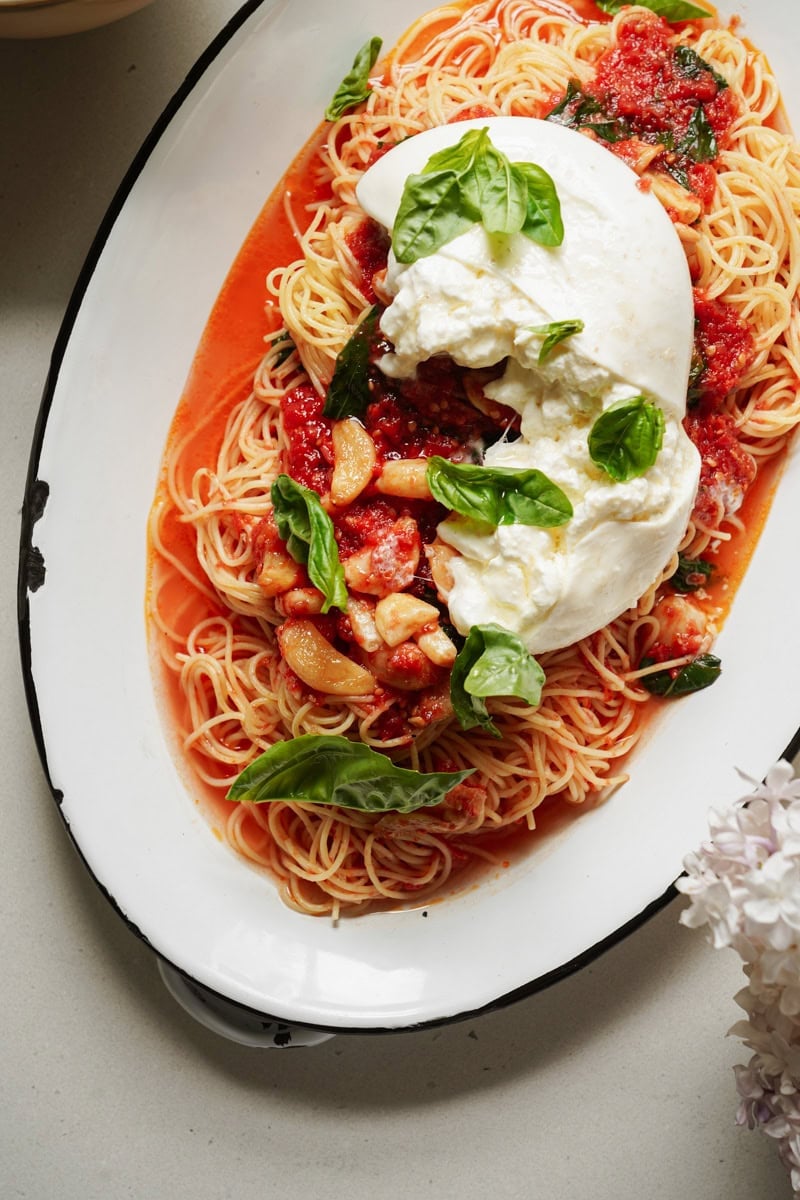
The Irresistible Allure of Peak-Season Tomatoes: Your Ultimate Guide to Picking Perfection
There's a universally acknowledged truth among food lovers: nothing quite compares to the sublime taste of a perfectly ripe, sun-warmed tomato. It’s a flavor that instantly transports you, perhaps to a rustic Mediterranean kitchen, a bustling summer market, or even just your grandmother's garden. For many cultures, especially around the Mediterranean, the tomato isn't merely a fruit; it's a culinary cornerstone, embodying freshness, vibrant flavor, and the very essence of summer. Mastering the art of selecting these ruby red (or yellow, orange, even purple!) gems is fundamental to unlocking their full potential. This comprehensive guide serves as your personal
tomato season 101, equipping you with the secrets to identify and enjoy the finest tomatoes available.
Embracing the Heart of Summer: When is Tomato Season?
Timing is everything when it comes to experiencing tomatoes at their peak. While grocery stores offer tomatoes year-round, the truly extraordinary ones—bursting with concentrated flavor and ideal texture—are a gift of summer. In most of the United States, the prime season for fresh, flavorful tomatoes typically stretches from late June through September. However, this timeframe isn't a rigid rule; it's a dynamic period influenced by a myriad of factors.
The peak of tomato season is heavily dependent on regional climates and specific growing conditions. Latitude, average temperatures, and even microclimates within a single state can shift the ideal picking window. For instance:
*
Southern States (e.g., Florida, California, Texas): Thanks to their warmer climates, these regions often kick off their tomato season earlier, sometimes as early as May, and can extend well into October.
*
Mid-Atlantic States (e.g., New York, Pennsylvania, New Jersey): The prime season here typically hits its stride from July through September, offering a robust harvest during the peak summer months.
*
Northern States and Cooler Climates: Tomato season tends to be shorter, usually from late July to early September, making the most of the warmer summer weeks.
Understanding these regional nuances empowers you, whether you're a home gardener or a discerning shopper, to optimize your tomato enjoyment. For a deeper dive into specific timings and local insights, be sure to check out our detailed guide:
When to Find Peak Season Tomatoes: Your Regional Guide. Knowing when and where to find these seasonal delights is the first crucial step in your
tomato season 101 journey.
The Art of Selection: Mastering Tomato Picking for Peak Flavor
Once you’re in the right place at the right time – be it a farmer’s market, your own garden, or a well-stocked grocery store – the real fun begins: choosing the perfect tomato. This isn’t just about guesswork; it’s an intuitive process that engages your senses: sight, touch, and smell.
Color Clues: Beyond Just Red
The visual appeal of a tomato offers the first critical hint of its ripeness. While many instinctively reach for a deep red, it's essential to remember that not all ripe tomatoes are uniformly crimson.
*
The Red Rule of Thumb: For classic red varieties, look for a deep, uniform hue across the entire fruit. Avoid tomatoes with pale, blotchy patches or green shoulders (the area around the stem), as these often indicate uneven ripening or that the tomato was picked too early. A vibrant, rich red signals optimal sugar development.
*
Embracing Diversity: The world of tomatoes is wonderfully diverse. Heirloom varieties, specialty types, and even some modern hybrids come in a spectrum of colors, including vibrant oranges, sunny yellows, deep purples, and even striped patterns. For these, the key is *vibrancy*. Ensure the colors are rich, bold, and well-developed for their specific variety, rather than dull or washed out.
*
A Note on Green Tomatoes: While some green tomatoes are simply unripe versions of red varieties, others are intentionally green when ripe (e.g., Green Zebra). For these, look for a slight softening to the touch and a distinct aroma, as color alone won't be your guide.
Ultimately, your eyes should be drawn to tomatoes that look "alive" – richly colored, consistent in tone for their type, and free from significant blemishes or discoloration.
Tactile Tests: The Perfect Squeeze
Once a tomato catches your eye, it’s time to engage your sense of touch. A gentle squeeze can reveal a wealth of information about its internal state.
*
The Ideal Firmness: A perfectly ripe tomato should feel slightly soft, yielding gently to mild pressure, but still firm enough to hold its shape. Imagine the sensation of a firm, ripe avocado – that’s the zone you’re aiming for. It should have a certain resilience, bouncing back slightly when you release pressure.
*
What to Avoid:
*
Hard Tomatoes: If a tomato feels rock-hard, it's underripe. It might eventually ripen on your counter, but it will likely lack the complex flavor of a vine-ripened fruit.
*
Mushy or Soft Spots: Avoid any tomatoes with excessively soft, mushy areas, bruising, or cracks. These are signs of overripeness, damage, or potential spoilage, and these areas can quickly spread.
*
Gentle Handling: Always handle tomatoes with care. They are delicate! A forceful squeeze can bruise the fruit, accelerating spoilage and affecting its texture. Gently cradle the tomato in your palm and apply light, even pressure with your thumb.
Aromatic Secrets: Scent of a Summer Garden
Perhaps the most underrated sense in tomato selection is smell, yet it’s often the most telling indicator of true ripeness and flavor.
*
The Distinct Aroma: A truly ripe, flavorful tomato possesses a sweet, earthy, and distinctly "summery" aroma. This rich fragrance is most potent near the stem end, where it should smell like a warm garden after a light rain – fresh, green, and subtly sweet. It’s an unmistakable scent of vitality and sun-kissed sugars.
*
What Absence or Off-Smells Indicate:
*
No Scent: If you pick up a tomato and detect no aroma, it's likely underripe, indicating a lack of developed sugars and flavor. This is particularly common with tomatoes picked prematurely for long-distance transport.
*
Sour or Metallic Scent: An unpleasant, sour, or metallic smell suggests the tomato is past its prime or beginning to spoil.
*
Why It Works: The compounds responsible for a tomato's signature flavor also contribute to its aroma. When these compounds are fully developed, they release that characteristic, irresistible fragrance. Trust your nose – it rarely lies when it comes to ripe tomatoes.
Beyond the Basics: Popular Tomato Varieties for Every Culinary Whim
While the color, touch, and aroma tests apply across the board, understanding common tomato varieties can further refine your selection process, ensuring you pick the best tomato for your intended use.
*
Beefsteak Tomatoes: The Slicing Champions: Large, robust, and often irregularly shaped, beefsteaks are the quintessential slicing tomato. Their meaty flesh, balanced sweetness and acidity, and ample size make them perfect for sandwiches, burgers, and thick slices drizzled with olive oil and salt.
*
Roma or Plum Tomatoes: The Sauce Stars: Oblong with thick walls, fewer seeds, and lower water content, Roma tomatoes are ideal for cooking. Their concentrated flavor makes them superb for sauces, pastes, purees, and even sun-drying, as they won't water down your dishes.
*
Cherry and Grape Tomatoes: Snacking Superstars: Small, bite-sized, and bursting with sweet, juicy flavor, these little gems are perfect for snacking, salads, roasting, or adding a pop of color and sweetness to any dish. They come in a rainbow of colors, each with a slightly different flavor profile.
This is just a glimpse into the vast world of tomatoes! To explore more varieties and discover their optimal culinary applications, refer to our comprehensive guide:
Tomato Varieties Explained: Best Uses for Slicing, Sauces & Snacking.
Maximizing Your Tomato Experience: Tips & Tricks
Now that you're a pro at picking, here are a few extra tips to ensure you get the most out of your prime-season tomatoes:
*
Buy Local: Whenever possible, source your tomatoes from local farmers' markets or grow them yourself. Locally grown tomatoes are often vine-ripened, meaning they've had more time to develop sugars and complex flavors, unlike those picked green for long-distance travel.
*
Avoid Refrigeration (for whole, ripe tomatoes): Once picked, whole ripe tomatoes should never be stored in the refrigerator. Cold temperatures dull their flavor and create a mealy texture. Instead, store them at room temperature, stem-side down, away from direct sunlight. Only refrigerate sliced or cooked tomatoes.
*
Handle with Care: Always be gentle with your tomatoes. Bruises and punctures can quickly lead to spoilage. Transport them carefully and store them in a single layer if possible.
*
Simple Preparations Reign Supreme: With truly ripe, in-season tomatoes, often the simplest preparations are the best. A drizzle of good quality extra virgin olive oil, a sprinkle of sea salt and freshly cracked black pepper, perhaps a few fresh basil leaves – these humble additions allow the tomato's natural magnificence to shine.
Conclusion
Armed with this
tomato season 101 guide, you're now ready to embark on your own quest for the perfect tomato. By paying attention to color, feeling for that ideal firmness, and trusting your nose for that sweet, earthy aroma, you'll consistently bring home tomatoes that are bursting with flavor. There's an unparalleled joy in savoring a perfectly ripe tomato, a simple pleasure that truly defines the abundance of summer. Go forth, pick wisely, and enjoy every delicious bite!